Wood Database - Identification Guide and Properties of Hardwood and Softwood
Wood types are incredibly versatile and diverse, enabling them to be used for many different purposes. The data presented here is intended to help you better understand the properties of wood. This includes wood characteristics insights, which will enable you to understand better the specific properties of each species of wood, its benefits, eventual problems, and how they can be used for particular jobs. The database also contains detailed descriptions of hardwood and softwood types, including an identification guide of wood properties that can help you discover and choose the perfect wood structure and texture required for furniture, decoration, decking, and other objects made from wood.

Ipe Wood - Characteristics, Benefits and Problems
Ipe wood is one of the most durable, heavy, and pleasing-to-look wood types in the world, commonly used for the creation of outdoor decking and wood structures that intend to last decades without the appearance of any rot. Naturally growing in South America, ipe wood represents the best choice for making outdoor wood decking.

Wenge Wood - Characteristics, Benefits and Uses
Wenge wood from central Africa is one of the premier exotic dark wood types that is available on the market today. After excessive exploitation from the global market, wenge wood is today harder and harder to come by.

Cocobolo - Definition, Characteristics and Uses
Cocobolo is a high-quality hardwood whose orange or reddish-brown heartwood is praised all around the world for its great visual appeal and irregular trace lines that make objects made from this material to look premium and expensive. Because of its weight and excellent properties, it is rarely used in furniture and can instead be found in musical instruments, art, and custom premium objects.

Teak - Characteristics and Uses
Teak is one of the most common tropical hardwood trees that has managed to become a mainstay of the wood processing industry. Its water-resistant yellowish heartwood that darkens with age is very well suited in outdoor construction, furniture, and boat decks, as well as many indoor applications in flooring, paneling, countertops, furniture, and structural columns.

Curly Maple - Characteristics, Types and Uses
Curly maple is one of the most famous grain variations in the wood industry. Instantly recognizable for its three-dimensional effect and eye-catching colors, this type of maple wood can be found in countless musical instruments, household objects, and different higher-end specialty items.
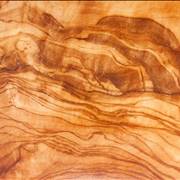
Olive Wood - Characteristics, Uses and Benefits
Olive wood is a high-end product of a small brush-like tree that was closely connected with the history of Mediterranean and Middle East. Famous for its olive fruit and olive oil, this tree is also highly praised by woodworkers worldwide who appreciate its hardiness and visual appeal.
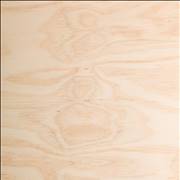
Basswood - Characteristics, Benefits and Uses
Basswood (Tilia, Lime tree) is a famous and widespread tree originating from North America and Europe. Since its wood structure is so soft and the grain and texture are consistent and fine, basswood has become a wood of choice for woodworkers interested in carving and sculpting.

Purpleheart Wood - Characteristics, Uses and Types
Purpleheart wood is one of the most famous wood industry exports of Central and South America. Known for its high-quality, bright purple with dark stripes heartwood, this wood captures attention with its high durability, natural luster, and strength. It is most often used for construction, flooring, and high-end furniture. Here you can read more about purpleheart wood.
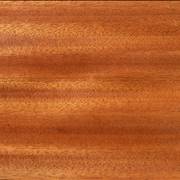
Sapele - Characteristics and Uses
Sapele is a hardwood from tropical Africa that successfully emulates the characteristics that have made Mahogany so popular. Rich heartwood colored in golden and dark reddish brown is perfect for use in creating expensive furniture, musical, and specialty objects. Same as mahogany, exploitation of Sapele forests is regulated by several countries across Africa. With a diminishing supply of genuine mahogany, woodworkers worldwide have turned their attention to Sapele.
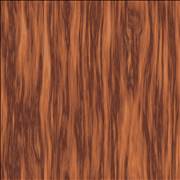
Mango Wood - Characteristics, Uses and Benefits
Mango wood is high-quality and durable South-Asian heartwood that can be used for the creation of both indoor and outdoor furniture that are easily resisting moisture and insect attacks, flooring, paneling, turned objects, construction objects, and musical instruments.